


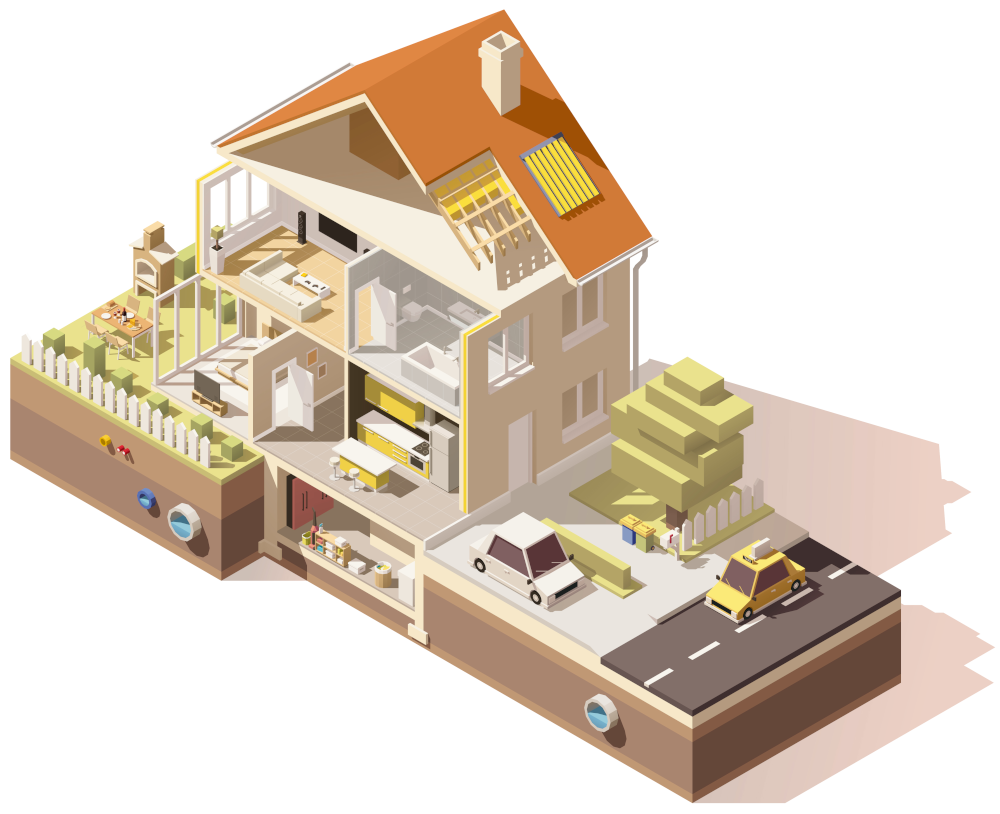

Know What to Expect, Start to Finish

From the moment you book online to the moment your report lands in your inbox, we want your inspection to feel straightforward, not stressful. This page walks you through the entire process so there are no surprises on inspection day.

What Happens During Your Inspection

Bedrock Property Inspections arrives on time and works methodically, moving through every readily accessible area of the home, including the roof, attic, foundation, electrical system, plumbing, HVAC, and interior spaces. Most home inspections take somewhere between two and three hours depending on the size and age of the property, though larger homes or those with additional systems may take longer.

You’re welcome to attend and walk through the property alongside us, and we genuinely encourage it. Being there in person gives you the chance to ask questions in real time and see firsthand what we’re pointing out. If you can’t make it, that’s fine too. We document everything with photos and clear notes so nothing gets lost in translation.

Once the walkthrough wraps up, we’ll go over the major findings with you (and your agent, if you’d like them included) in plain language, not inspector jargon. Within 24 hours, you’ll receive a full digital report with photos and descriptions of everything we covered, so you can revisit the details anytime you need to.

Getting Ready for Your Inspection

A little preparation on your end goes a long way. Clear access to attics, crawlspaces, electrical panels, and any areas that might be blocked by furniture or storage. Make sure appliances, gas, and utilities are turned on and functioning so we can test them properly. If you won’t be attending in person, let us know how we’ll get access to the home, and make arrangements for pets to be secured elsewhere during the visit.

Frequently Asked Questions

Your inspection includes checking for any structural issues such as foundation cracks, roof leaks, plumbing issues, electrical wiring, heating/cooling systems, insulation, windows, doors, chimneys, etc. Depending on how big the property is, a home inspection typically takes 2-3 hours.

Ensure all inspection points are free from clutter, including any closets that might lead to a crawlspace or attic, and clearing some space around your home’s perimeter. It’s also important to check the functionality of all built-in appliances, electric, and gas. If you don’t plan to attend the inspection, make sure your inspector has access to the home, and all pets are properly contained or moved.

A home doesn’t pass or fail an inspection. Instead, a home inspection is a thorough audit of your home’s components. In most cases, there will be concerns marked on your home inspection report, but these are strictly informative.

While you can legally skip a home inspection in many cases, doing so could mean you may end up buying a home that has major issues that need to be fixed.

While a home inspector may recommend some minor repairs, they are not qualified to make major repairs. He or she can provide information about what needs to be repaired — and it might be helpful to know that information — but the decision to actually do the work lies solely with the homeowner. Not only does this give you the freedom to choose your contractors, but it also helps prevent a conflict of interest.

Your inspection can affect appraisals for two reasons: 1) The inspector may find something wrong with the property that would lower the value of the home, 2) The inspector may find things that need repair which could increase the value of the home. If the inspection finds issues that require repairs, then the seller has to decide whether they want to fix them themselves, or hire someone else to do it. If the buyer wants to purchase the home, he/she must be willing to pay for those repairs.

5 Benefits of a Home Inspection

Negotiations Leveraged

Buyers can use the inspection report to negotiate a better price or ask for repairs, while sellers can choose to address issues before listing to justify their asking price.

Ensures Your Safety

A home inspection evaluates critical safety concerns such as electrical hazards, carbon monoxide risks, mold, and structural integrity.

Prepares You For the Future

We can point out components near the end of their lifespan (such as HVAC systems or water heaters) so you can budget accordingly.

Garners Trust

Sellers who conduct pre-listing inspections can show transparency and build buyer trust, potentially leading to quicker offers and smoother negotiations.

Grants Peace of Mind

Knowing the condition of the home helps you feel confident in your purchase or sale and reduces surprises after the transaction.

What's Included in Your Inspection?

what's included in your inspection

Roof

Roof coverings, gutters, downspouts, vents, flashing, skylights, chimney, roof penetrations and the general structure of the roof.
Attic, Insulation, Ventilation

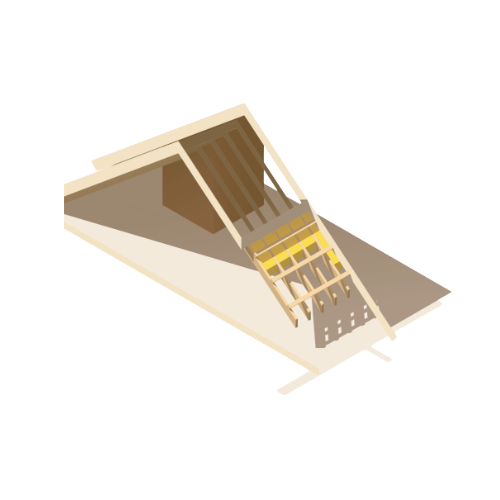
Insulation and ventilation of unfinished spaces, including attics, crawl spaces, foundation areas and exhaust systems.
Exterior

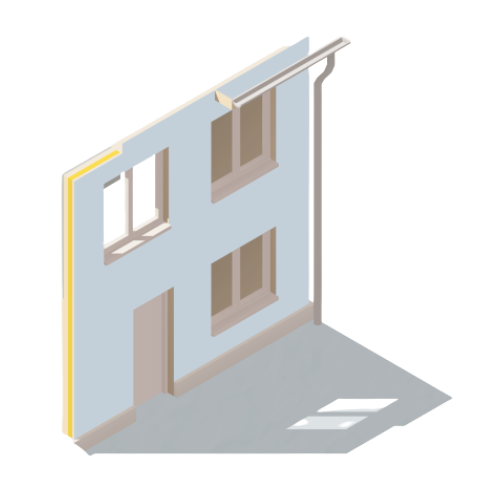
Siding, windows, exterior doors, flashing & trim, walkways, driveways, stairs, patios & decks, and drainage.
Basement, Foundation, Crawlspace, Structure

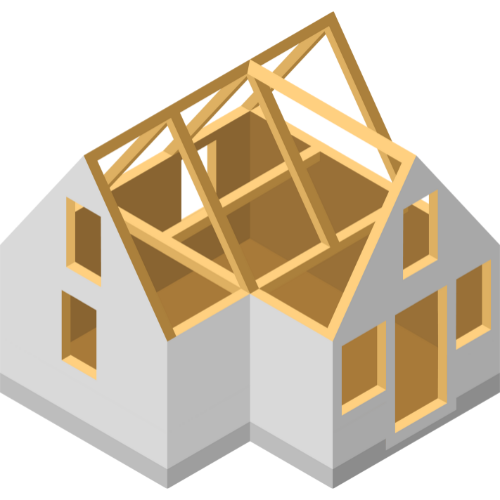
Foundation movement, cracks, structural concerns, and indication of water penetration.

Cooling

Cooling system, location of thermostat, energy source and cooling method.
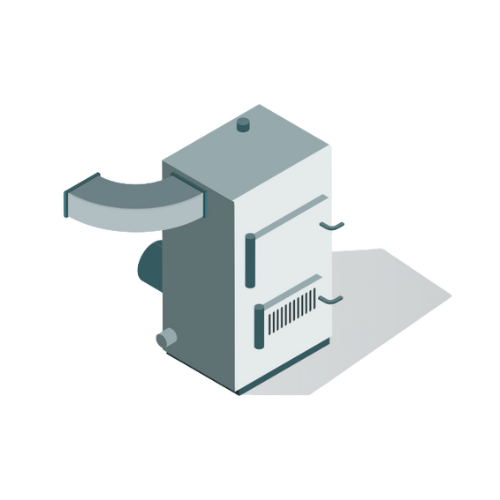
Heating

Heating system, location of thermostat, energy source and heating method.
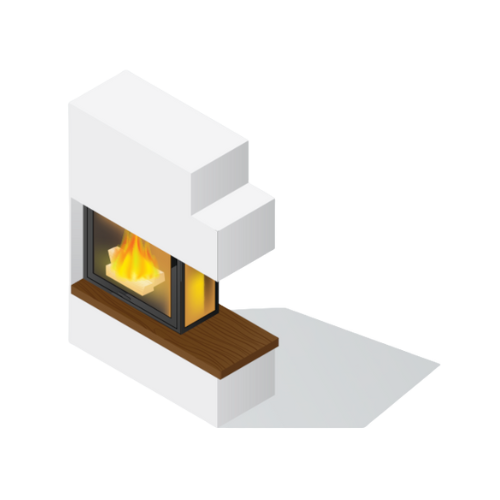
Fireplace

Visible portions of the fireplace & chimneys, lintels, damper doors, and cleanout doors & frames.
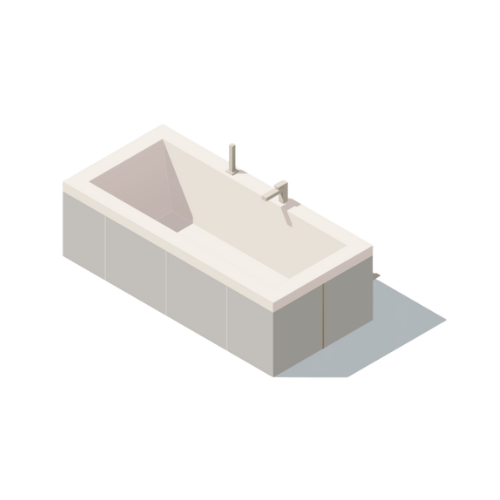
Plumbing

Main water & fuel supply shut-off valves, water heater, interior water supply, toilets, sinks, tubs, showers, drain, waste and vent systems.
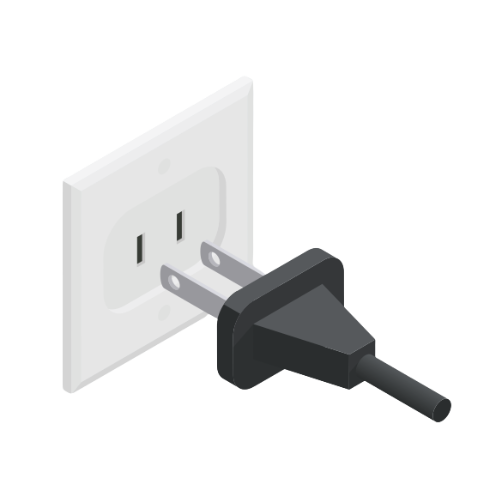
Electrical

Service drop, overhead service conductors, service head & mast, main service disconnect, panelboards, grounding, switches, light fixtures, receptacles deemed to be AFCI & GFCI, and the presence of smoke alarms & carbon monoxide detectors.
Appliances

Dishwasher, disposal, range, oven, microwave, refrigerator, exhaust, bathroom heater, garage door, doorbell, and dryer vent

Doors, Windows, Interior

Representative number of doors & windows, floors, walls, ceilings, stairs, railings, garage door and openers.

© Copyright 2026 Spectora Inc.

Frequently Asked Questions

We evaluate the structure, systems, and safety of the home, including the roof, foundation, plumbing, electrical, heating and cooling, insulation, windows, doors, and more. Our goal is to give you a full picture of the property’s current condition.

No. Your inspection isn’t a pass or fail test. It’s an honest audit of the property’s condition. You may see items flagged for attention on your report, but those are informational, not a verdict on the home itself.

We may point out items that need attention and explain why they matter, but we don’t perform the repairs ourselves. That decision, and the choice of who does the work, is entirely yours. Keeping inspection and repair work separate protects you from any conflict of interest.

Buyers often use the report to request repairs or renegotiate price, while sellers can use a pre-listing inspection to get ahead of issues before a buyer ever walks through the door. Either way, having accurate information in hand puts you in a stronger position at the table.

Call or email us. We’d rather walk you through a finding than leave you wondering what it means.